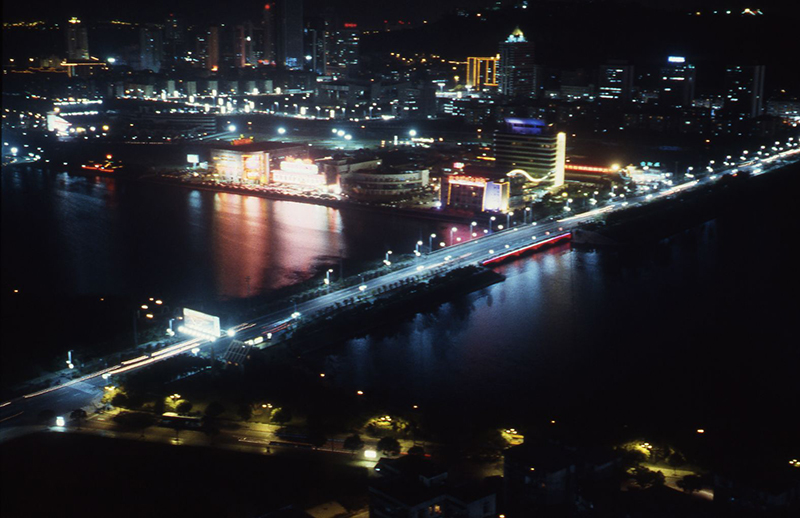
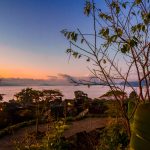
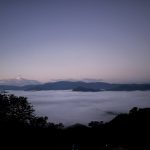
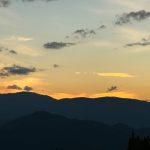
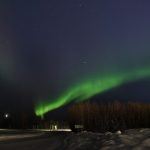
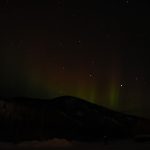
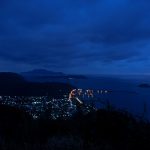
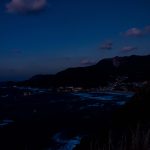
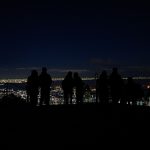
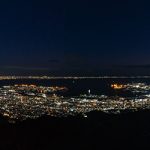
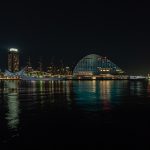
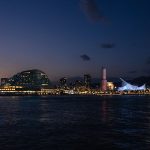
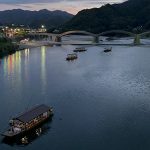
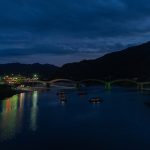
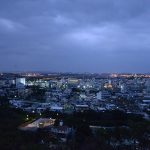
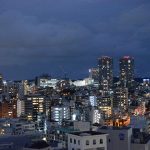
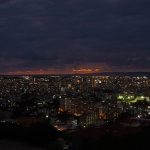
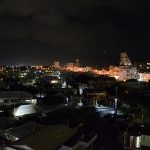
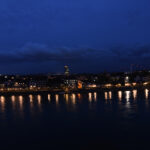
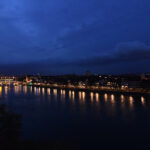
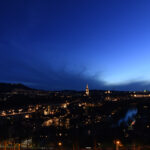
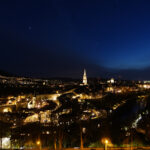
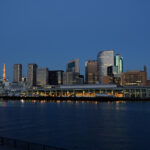
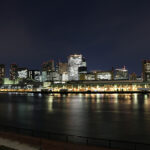
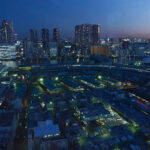
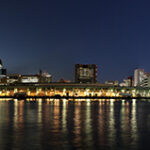
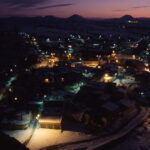
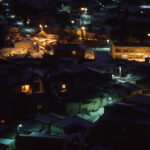
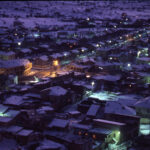
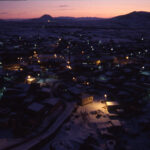
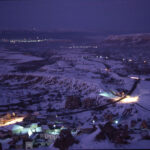
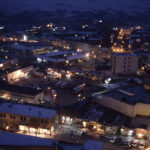
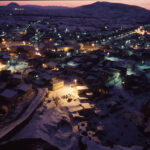
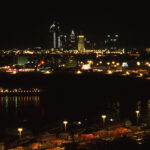
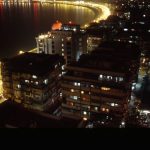
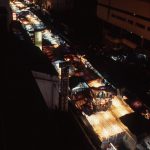
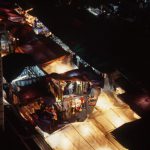
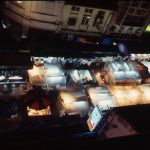
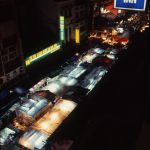
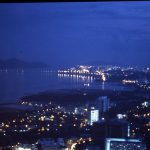
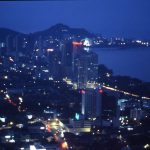
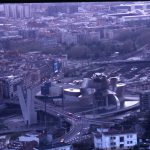
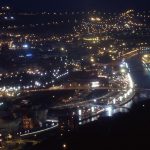
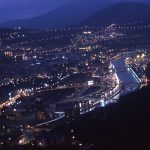
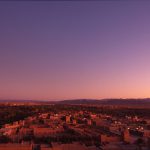
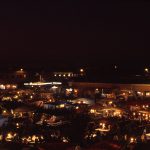
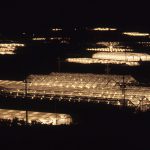
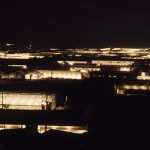
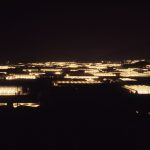
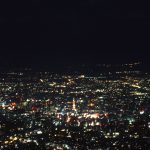
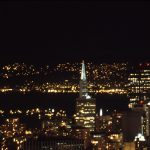
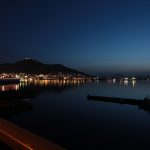
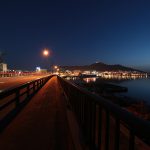
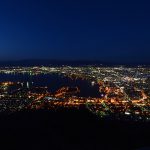
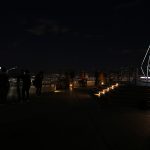
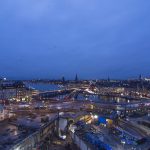
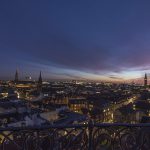
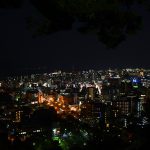
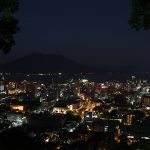
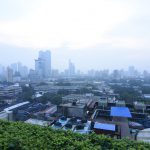
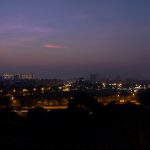
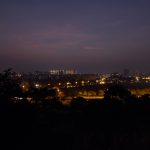
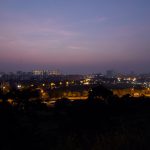
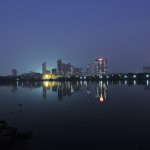
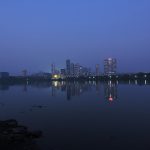
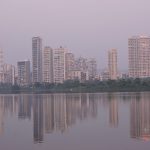
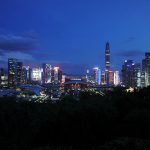
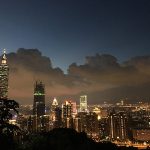
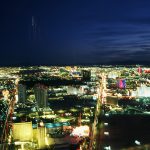
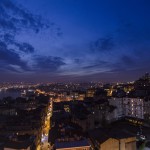
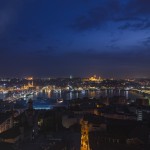
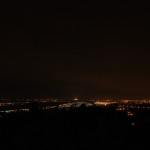
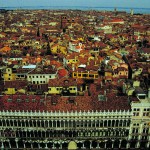
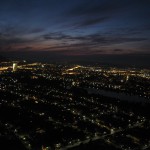
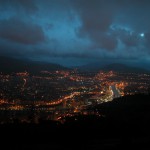
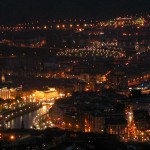
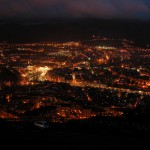
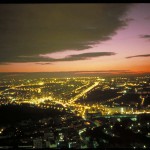
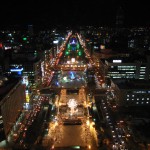
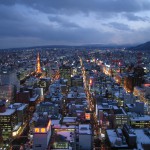
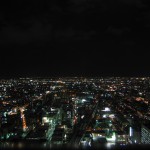
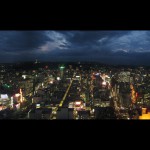
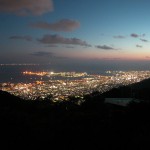
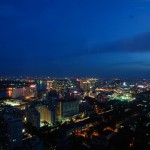
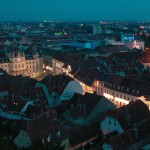
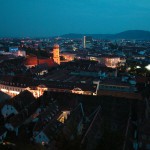
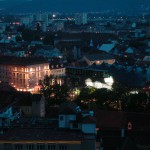
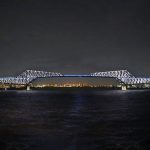
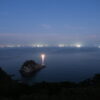
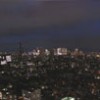
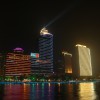
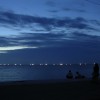
2022.09.30-10.02 Momoko Muraoka + Hikaru Kimura + Akemi Sasamoto Squid, the local specialty of Tsushima, are caught at night. The view of fishing fire illuminating the horizon is not a planned lighting environment, but a nightscape that naturally emerges from the livelihood of local fishermen.To explore this scenery of “light from daily life,” we visited Tsushima and boarded a fishing boat to experience night fishing. Under a sky full of stars, we documented the striking contrast between the vast shadowed sea and the line of fishing fires along the horizon.The interplay of starlight, fishing fire, and their faint reflections on the water revealed a beauty entirely different from that of urban lighting design. Through this survey, we were able to appreciate not only the outcome of the fishing itself, but also how light is deeply intertwined with the culture and daily life of the region. ■Boarding the Squid Fishing Boat Night fishing with lights (called “yodaki”) is a traditional fishing method that makes use of the phototactic nature of fish—their instinct to gather toward light. Its origin dates back to ancient times, and while the light sources themselves have changed over the centuries, the practice of kindling lights at sea remains the same. The nightscape of fishing fires has thus continued as a scenery born from the daily livelihood of local fishermen. That this night view is cherished as a distinctive landscape of the region is evident from the existence of…
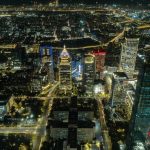
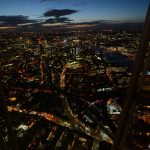
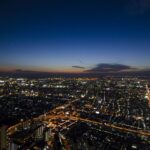
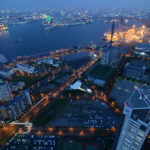
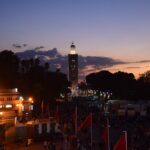
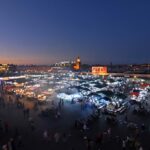
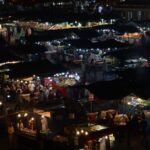
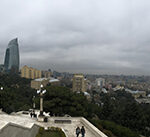
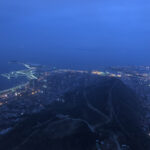
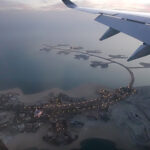
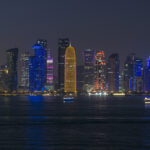
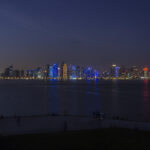
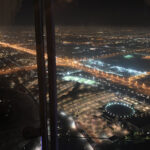
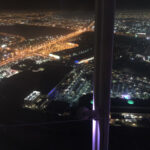
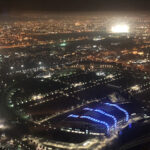
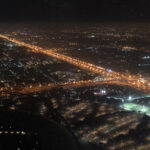
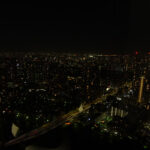
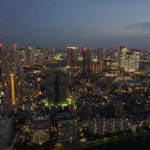
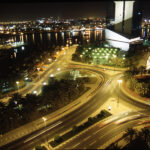
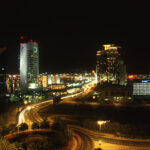
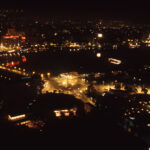
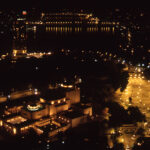
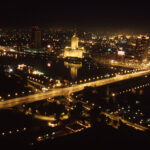
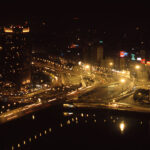
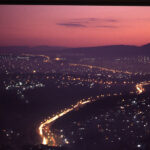
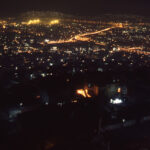
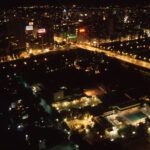
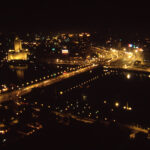
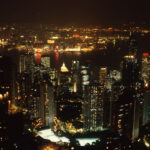
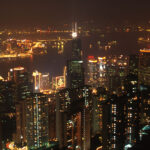
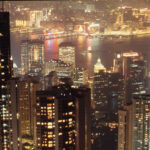
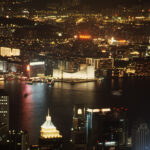
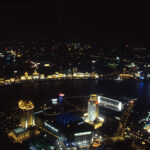
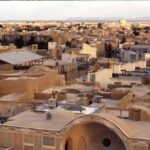
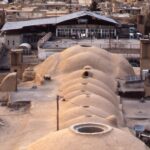
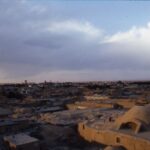
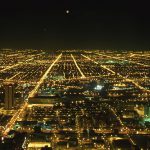
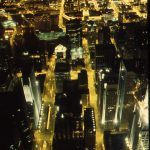
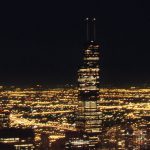
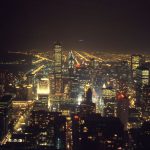
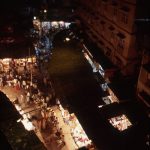
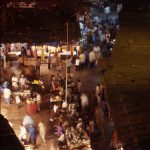
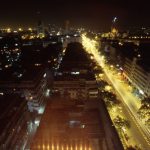
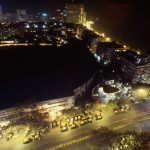
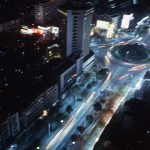
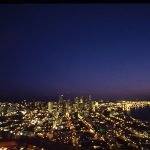
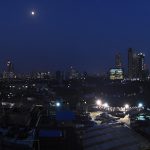
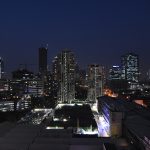
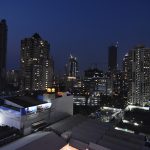
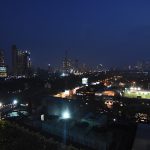
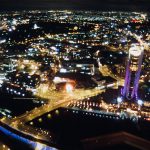
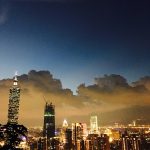
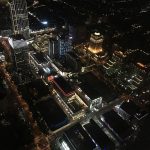
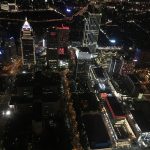
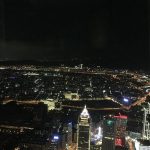
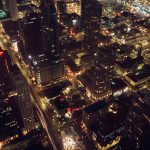
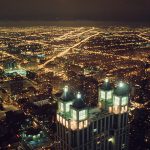
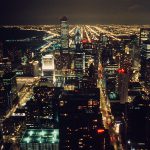
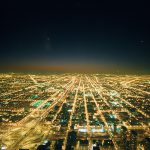
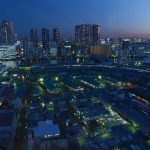
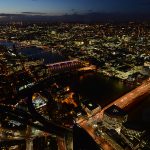
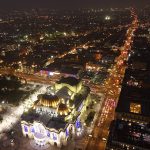
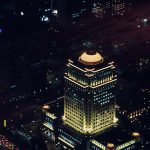
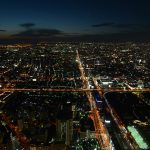
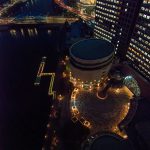
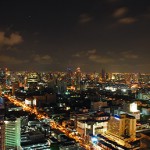
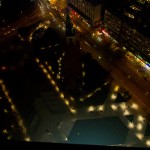
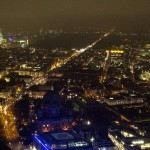
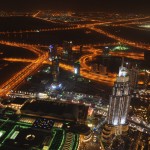
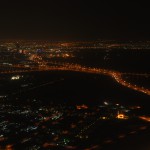
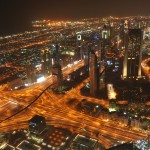
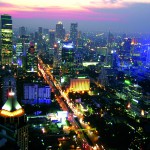
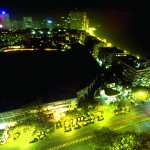
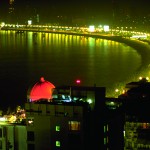
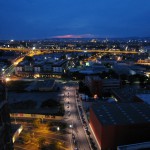
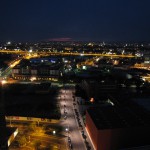
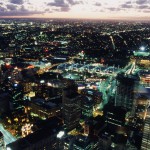
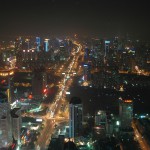
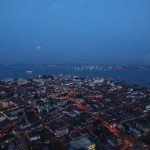
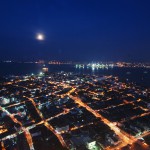
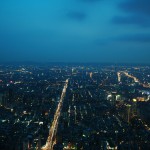
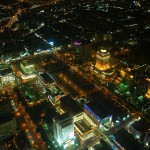
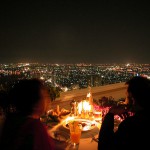
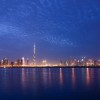
2014.03.31-04.06 Genki Watanabe + Hu Lin Dubai which becomes a hub in the Middle East. Since 2003 decade, sustained economic development of urban construction at the same time, decoration, lighting, etc also has a very significant change. This time, we investigated the city lights and light of life. View from the Burj Khalifa Dubai is separated by an old town from new town. From the birth of the new urban area in the desert, about the lights of the messy no uniformity, glare is very much also. Is old town which is driven by the local way of life, have a certain order of light in the evolution of the light environment. Too light or too dark in the space is more, the overall light environment in a state of disharmony. In a city there are two completely different forms of development order, and are looking forward to Dubai in future how to plan more mature light environment. The Dubai Mall Dubai’s sunshine time is long, many architectural practice break hot also consider natural lighting. In the Dubai mall every space has a unique Islamic architecture design, Ceiling. Interior lighting and day lighting harmonious blend in together. Day lighting is a good example. Deira Gold Souq Deira Old Souq (Spice Souq) Signboard light in old town
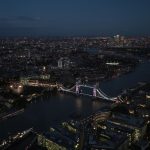
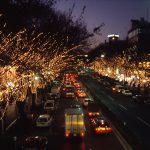
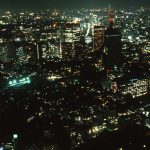
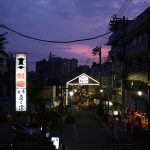
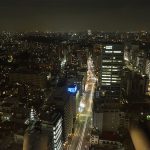
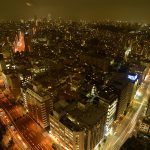
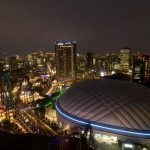
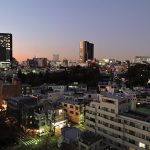
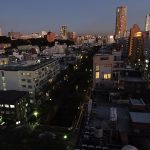
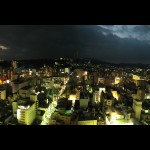
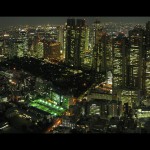
Modern Kagurazaka still conveys the atmosphere of its once flourishing Edo Era streets. Old Japanese restaurants and bars line the narrow alleyways and with softly glowing lantern light and welcome signs to complete the scene, one forgets that this is Shinjuku Ward in the middle of Tokyo. In this historical neighborhood warm lantern light is all but a natural presence. Compared to the white lights of Ikebukuro and Shinjuku glowing brightly in the distance, Kagurazaka is submerged in darkness. Buildings in Kagurazaka are lower and lower color-temperature light also peaks out from the many alleyways. Kagurazaka Street, running down the center of this neighborhood, is the only really bright spot, except for the lights reflecting off the canal along Sotobori Street. A prized neighborhood for shopping and entertainment during the Edo period, the historical Kagurazaka Shopping Street is a 700 meter long living time slip. New and old shops are jumbled together along the street with specially designed, lantern-like street lights placed at intervals along the edge of the sidewalk. From Kaguraza`s main street several narrow alleyways lead to the interior of the neighborhood where the scale of lighting is downsized to human proportions. Outside restaurants on Hyogo Yokocyo, one of the more famous back streets, softly glowing lanterns light the entrance and also reflect of the cobbled street and traditional-style fence for a very old Japanese atmosphere.
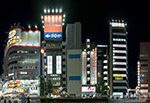
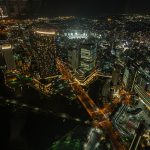
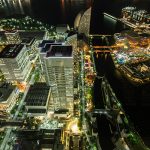
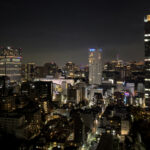
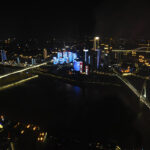
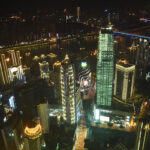
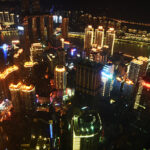
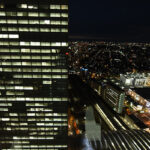
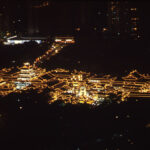
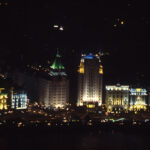
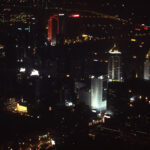
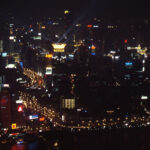
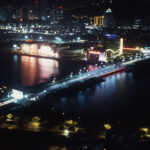
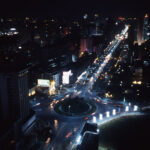
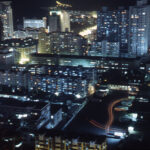
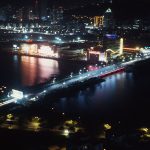
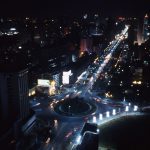
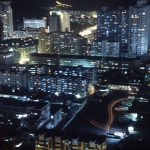
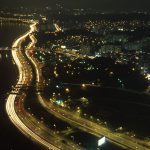
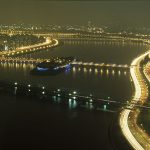
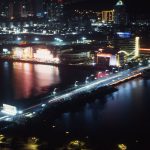
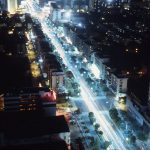
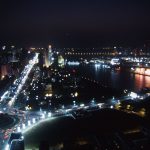
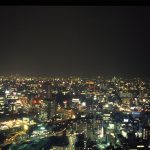
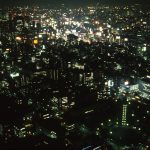
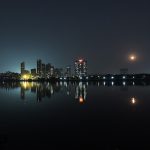
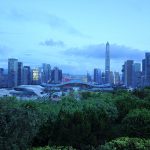
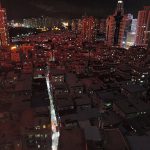
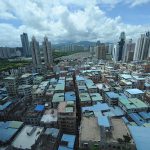
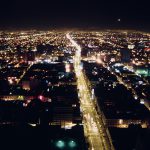
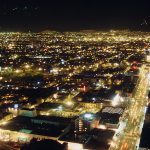
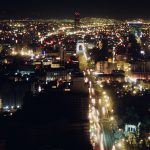
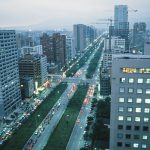
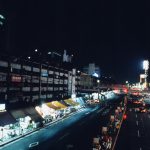
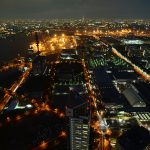
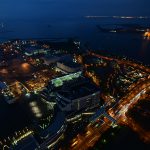
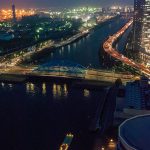
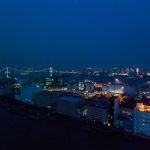
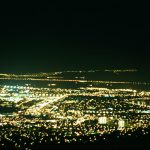
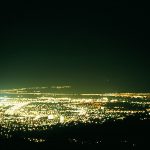
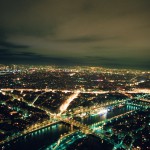
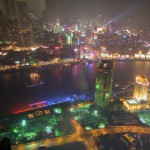
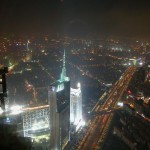
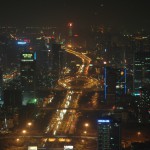
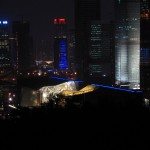
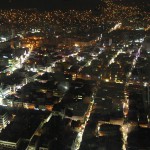
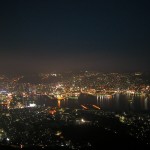
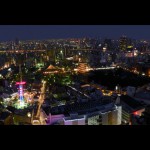
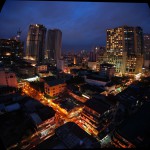
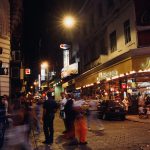
Guangzhou on the north shore of the Pearl River Delta As the saying goes “Eating in Guangzhou,” Cantonese cuisine is prepared in a wide variety of ways using almost anything under the sun. Residents carry that energy into the lighting environment that is equally diverse and full of activity, maybe a symbol of the recent economic development in China. Guangzhou Pearl River In the city limits of Guangzhou the Pearl River runs from west to east. The streets and buildings along the river face the water with people enjoying the night view from various places by cruising, strolling, and dinning. Guangzhou Xia Jiu Lu The pedestrian shopping street Xia Jiu Lu is famous for old shop houses and as a redeveloped entertainment district. Along with Chinese type red lanterns that line this street are an infinite amount of neon and other luminous signage that create a chaotic and exciting atmosphere. Shenzhen from Saige Plaza Tower After being labeled a special economic zone in the 1980`s, the population escalated and transformed the Shenzhen area into a gigantic urban beat. The city grew overnight like an illusion from a virtual world, but the population and high-rise condominium boom keep growing; which makes for an interesting nightscape.
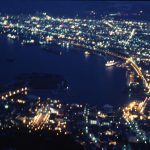
Rustic scenery and relaxing daily life co-exist on Jejudo Island, where we stopped for a luxurious stay at a resort hotel. White light from fishing boats dot the horizon and clarify the boundary between the dark night sky and black ocean waters. Fishing boats dot the horizon in the bay. The light from a fish tank at a fresh fish restaurant catch the eye of pedestrians along the street. Colored spotlights cast out over the ocean waters along the Coastal Highway.